The Town
Nine hundred years in the making.
On the banks of the Severn. Still independent. Still worth the journey.
Most English market towns have spent the last fifty years slowly becoming the same place. Shrewsbury hasn't. The street pattern is still medieval. The buildings are still largely timber-framed. The businesses are still mostly independent. It sits on a loop of the River Severn that made it strategically important for a thousand years, and that same geography now makes it one of the most walkable and genuinely rewarding towns in England to spend a few days in.
Chapter One
History
Shrewsbury was established as a fortified settlement around 900 AD, built on high ground inside a tight loop of the Severn — a natural moat that made the town nearly impossible to attack from land. It became the gateway between the English midlands and Wales, the seat of powerful Marcher lords, and for several centuries one of the most significant border towns in England.
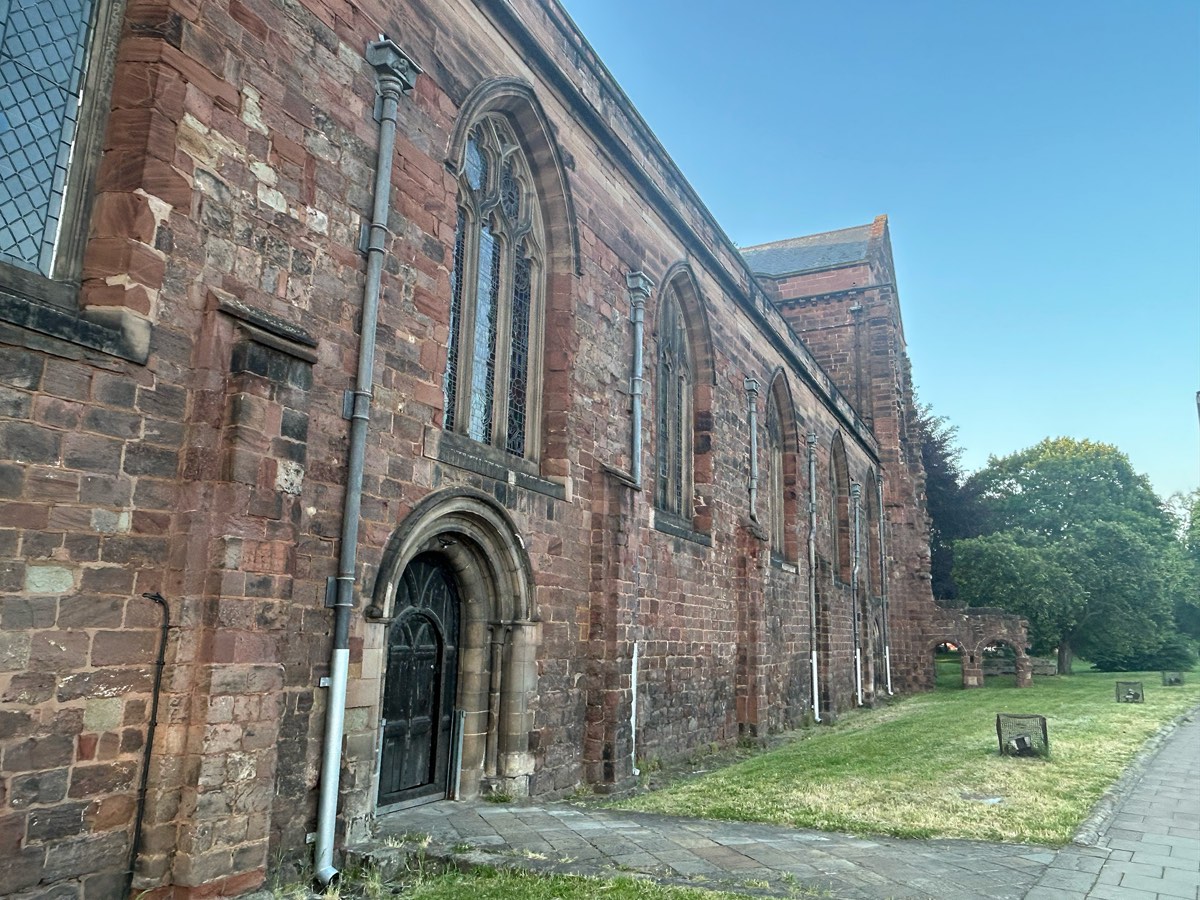
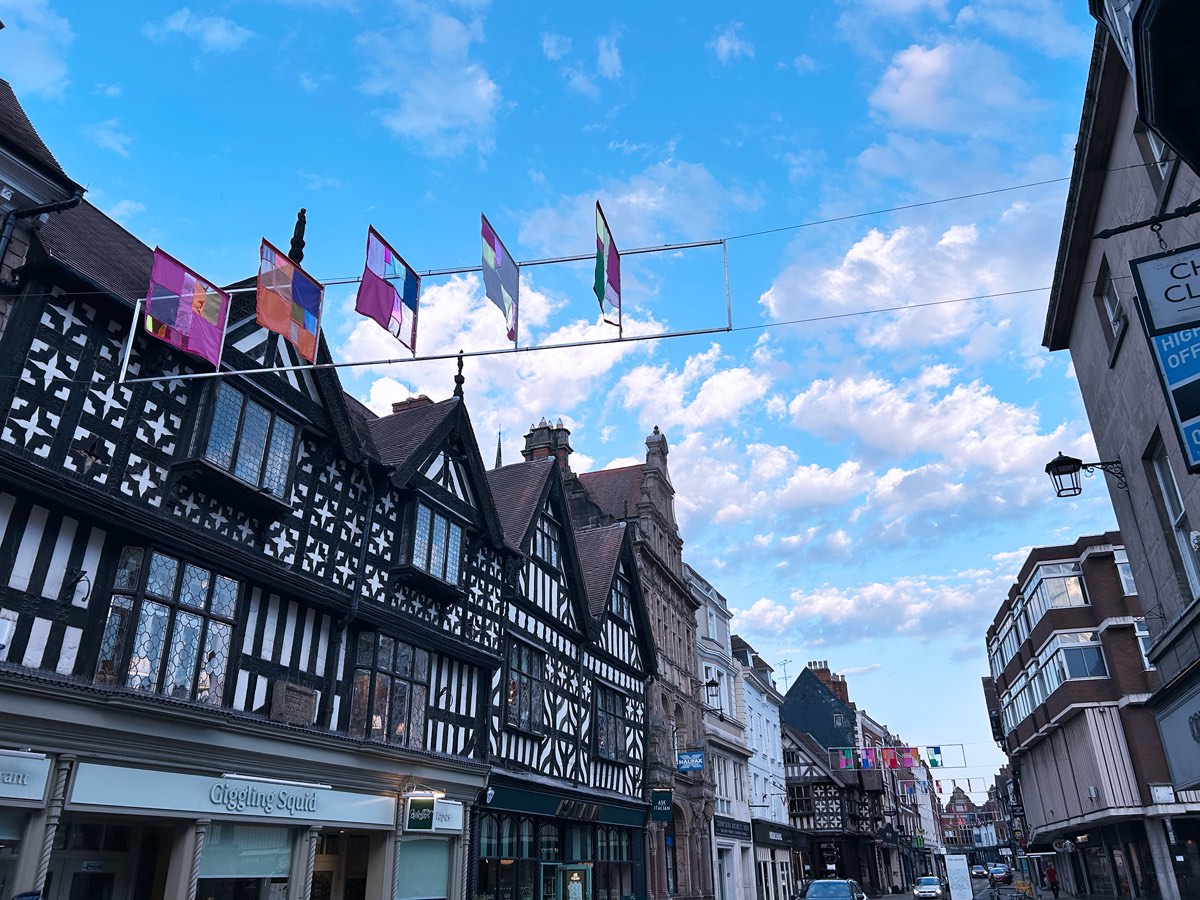
The Abbey was founded in 1083 by Roger de Montgomery. The castle was built around the same time and later remodelled by Edward I. By the 13th century Shrewsbury was one of the wealthiest towns in England, built on the wool trade. The evidence is still standing: the timber-framed buildings on Fish Street, Butcher Row and the Bear Steps are not reconstructions. They are the original buildings, and the streets between them follow the same lines they did five hundred years ago.
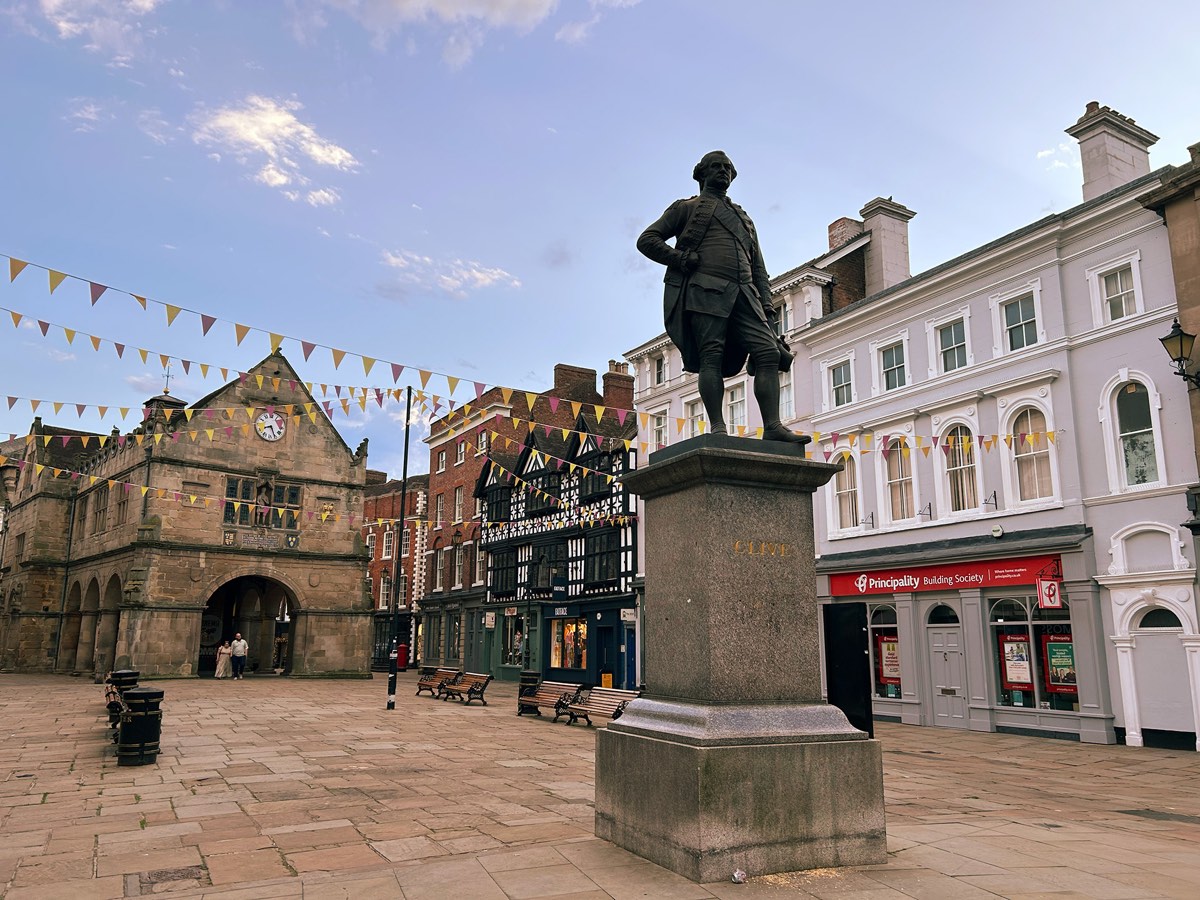
Charles Darwin was born here in 1809. The school he attended — now the town's library — looks out over the river from the Kingsland. The connections run deeper than a blue plaque.
Chapter Two
The River
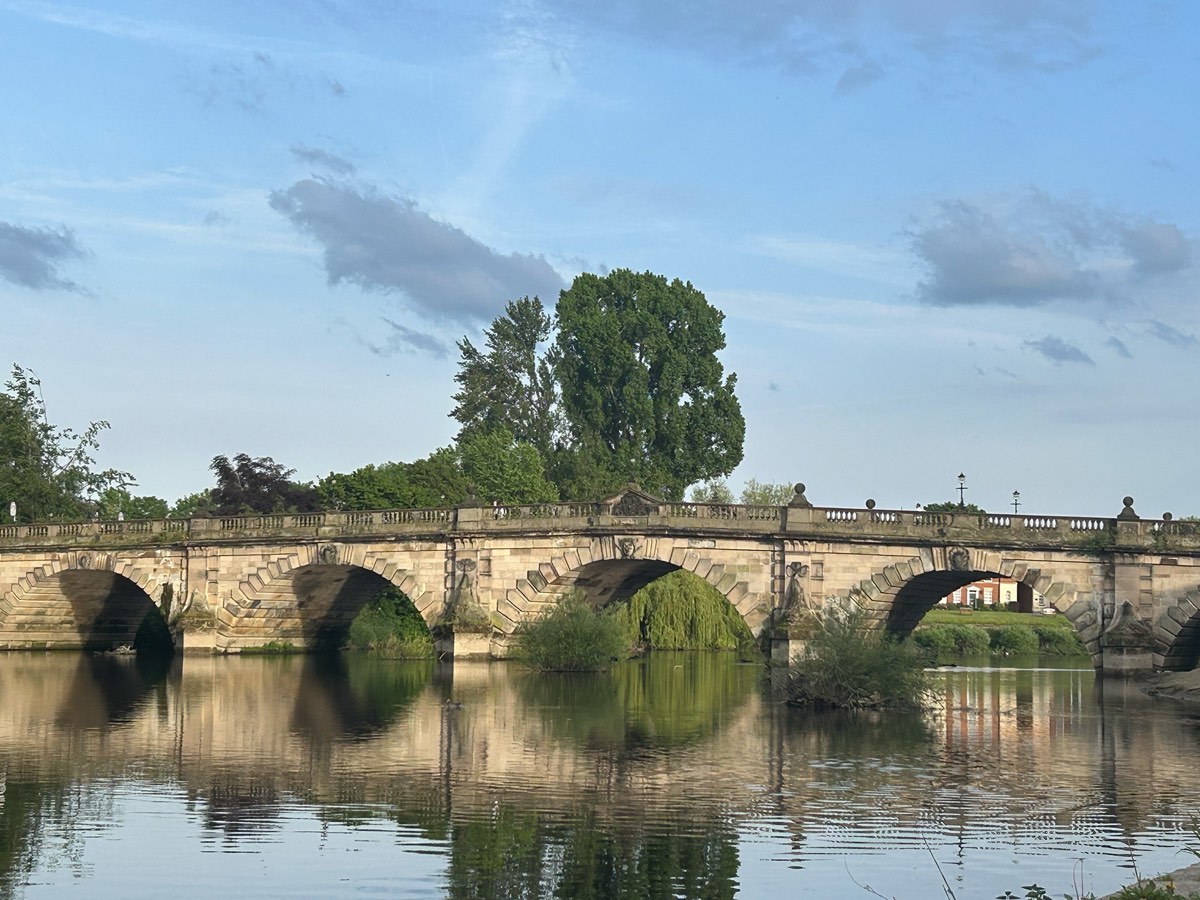
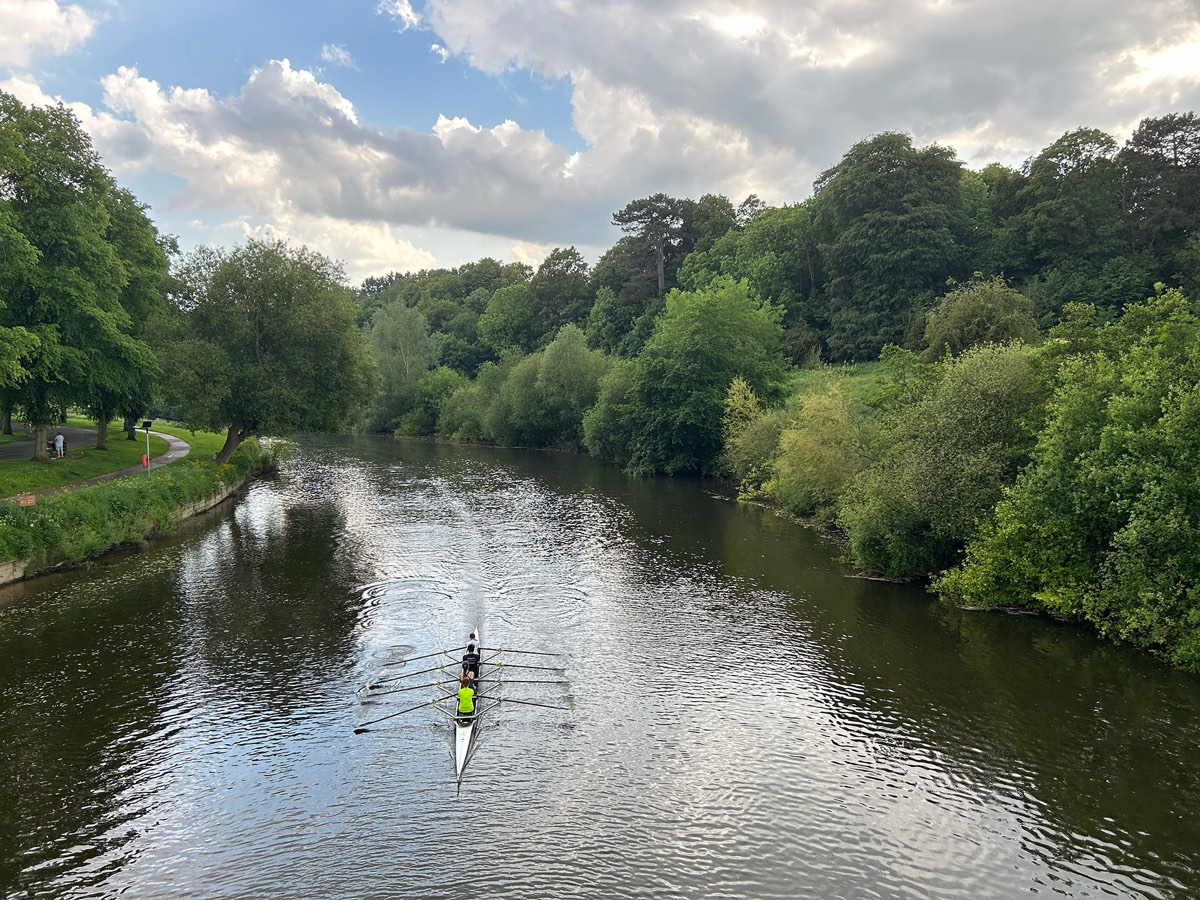
The Severn almost completely encircles Shrewsbury. The loop is tight enough that just two crossings have ever controlled all access to the town: the English Bridge to the east and the Welsh Bridge to the west. Walk the river path from the English Bridge toward the Quarry and you get the true measure of the place. The Abbey behind you, the castle on the hill above, the water doing what it has done for a thousand years. Inside the loop sits the Quarry Park: 29 acres of riverside parkland with the Dingle at its heart. It is not a grand park. It is a very good one, and the town knows it.
Chapter Three
The Food Scene
The high street here is still largely independent. The restaurants are mostly owned by the people running them. The pubs have kept their character. What has grown over the last decade is ambition — the kind of food scene that gives people a reason to make the trip specifically for it.
Restaurants
The independent restaurant scene here has grown confidently over the last decade. There are places worth making the trip specifically for. That was not always true of Shrewsbury.
Browse restaurants →Pubs
Shrewsbury's pub scene rewards people who go looking. The Armoury sits in a converted riverside warehouse on Victoria Quay. The Boathouse has a beer garden right on the Severn. Neither takes much finding.
Browse pubs →Experiences
The castle, the abbey, the Sabrina boat, guided walks through the medieval street pattern. Things worth doing beyond the obvious.
Browse experiences →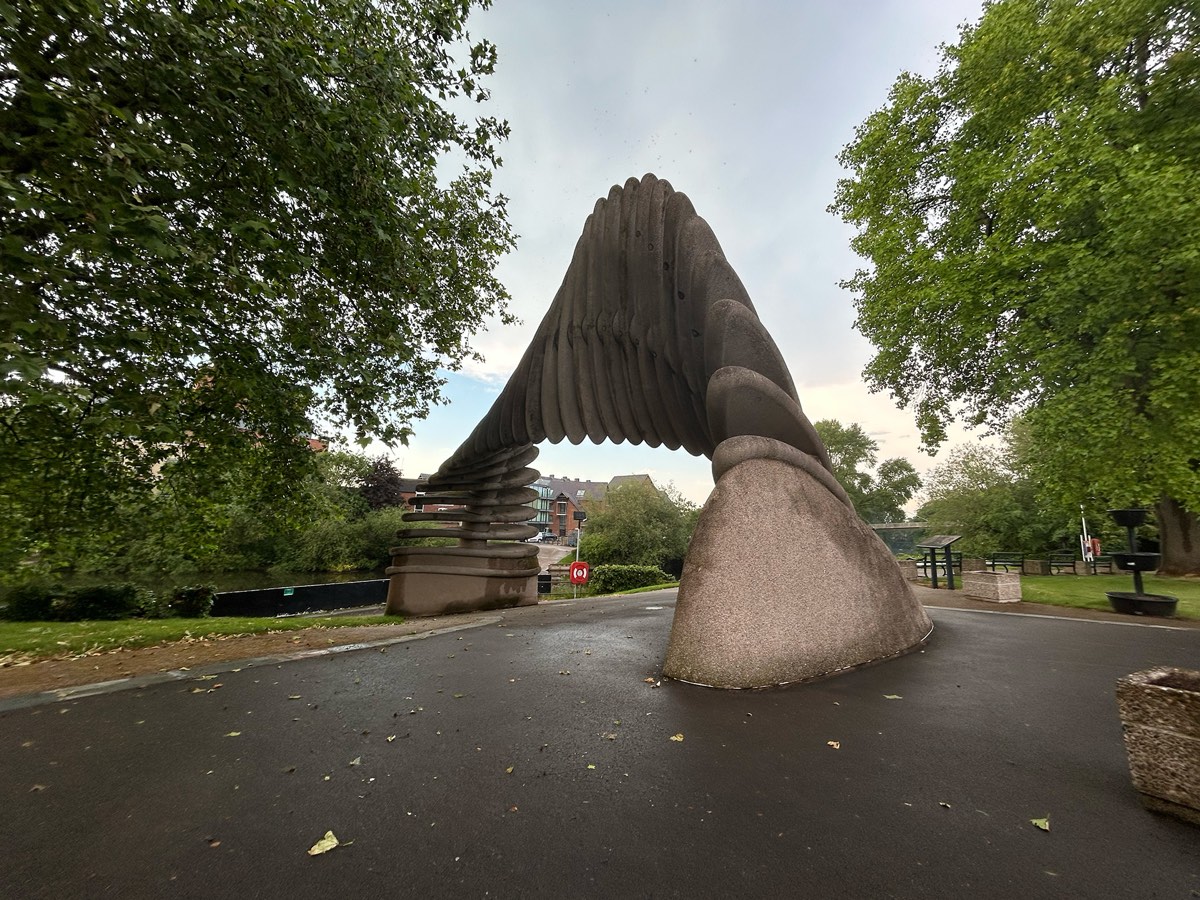
Ready to explore the best of it.